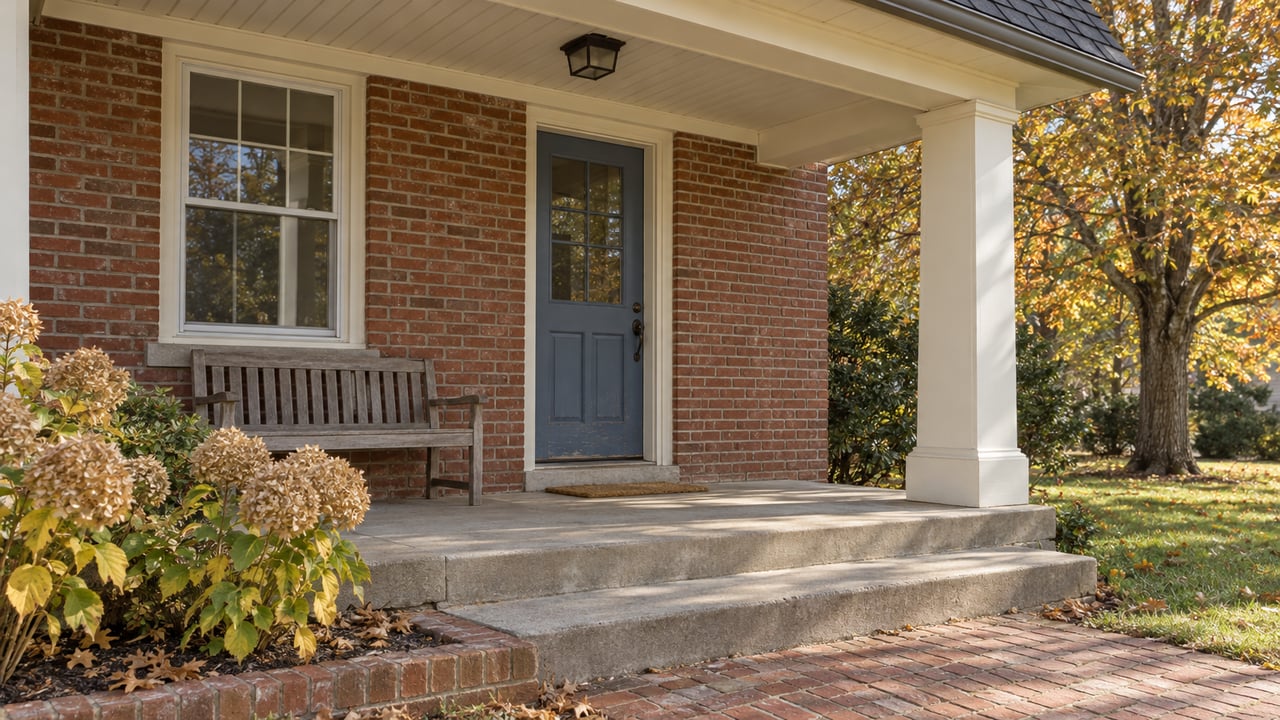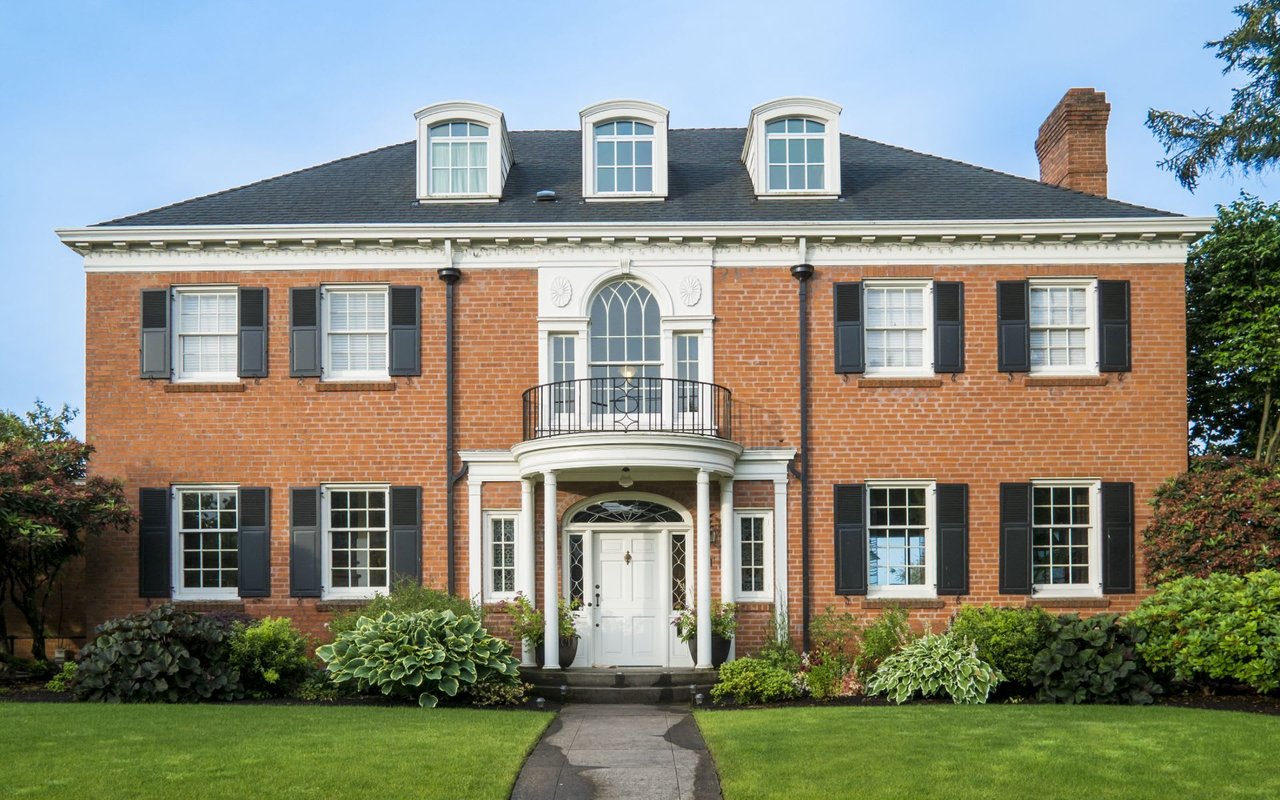
Older homes have a way of getting you.
Original hardwood floors.
Tall ceilings.
Built ins.
Wide trim.
A staircase you absolutely cannot find in a new construction home.
And suddenly you are mentally refinishing the floors and picking paint colors before we have even figured out how old the electrical panel is.
I understand the appeal.
Missouri has some incredible older homes, especially throughout communities like Boonville where historic architecture is part of the character of the area.
But character and condition are two different things.
An older home can be a fantastic purchase.
It can also have systems that have been repaired, replaced, added onto, updated, partially updated, and then updated again over several decades.
So before you completely fall in love with the original woodwork, here are 12 things I want my buyers thinking about.
1. Start With the Foundation
Before we talk about the pretty stuff, let's talk about what the house is sitting on.
Older homes can have a variety of foundation types depending on their age and construction.
During a showing, I am paying attention to things like visible cracking, movement, uneven floors, moisture, previous repairs, and anything else that deserves a closer look.
That does not mean every crack is a structural disaster.
Houses move.
Materials age.
Missouri soil and weather can be tough on structures.
But if something raises a question, we do not guess.
We bring in someone qualified to evaluate it.
2. Look for Evidence of Water
Water can cause a lot of expensive problems.
Basements and crawlspaces deserve attention, especially in older homes.
Look for staining.
Efflorescence.
Musty odors.
Standing water.
Sump pumps.
Dehumidifiers.
Previous waterproofing work.
Fresh paint in suspiciously specific locations.
And drainage conditions around the exterior.
One dry basement on a sunny showing day does not necessarily tell you what happens during three straight days of Missouri thunderstorms.
Ask questions.
3. Understand the Electrical System
This is a big one.
An older home may have had its electrical system updated over time.
Or parts of it may still be older.
Your home inspector can help identify visible concerns and recommend further evaluation when appropriate.
Depending on the house, we may want to understand the electrical panel, wiring, grounding, available service, outlets, GFCI protection, and previous modifications.
And if the inspection raises concerns?
That is when I want a qualified electrician involved.
Not your uncle who “knows electrical.”
An electrician.
4. Find Out What Kind of Plumbing You Have
Plumbing materials have changed considerably over the years.
An older home may contain a combination of original materials and newer replacements.
Ask what has been updated.
Look for evidence of leaks.
Pay attention to water pressure.
Check beneath sinks.
Look around the water heater.
And do not forget that the plumbing you can see inside the house is only part of the picture.
Which brings us to something buyers often overlook.
5. Consider the Sewer Line
You can inspect every bathroom in the house and still know very little about the condition of the sewer lateral running underground.
For certain older properties, a sewer scope may be worth considering.
Tree roots, deterioration, previous repairs, or other issues can exist underground without announcing themselves during a 30 minute showing.
A sewer problem is not particularly glamorous.
Neither is paying for one after closing.
Depending on the age and property, this can be an important piece of due diligence.
6. How Old Is the Roof?
Do not just ask:
“Does the roof leak?”
Ask:
How old is it?
What type of roofing material is installed?
Has it been repaired?
Are there multiple layers?
What does the inspector see?
Are there signs of previous water intrusion in the attic?
A roof does not have to be actively leaking on inspection day to deserve attention.
Age and condition both matter.
Your insurance company may care too.
7. Check the Heating and Cooling Systems
That gorgeous 1920s living room is less charming when the air conditioner gives up in July.
Find out what systems heat and cool the home.
How old are they?
Have they been serviced?
Are there multiple systems?
Does the entire house have conditioned air?
Have additions been handled differently from the original structure?
Older homes sometimes evolve over time, and the mechanical systems can tell that story.
8. Pay Attention to Windows and Insulation
Original windows can be beautiful.
They can also perform differently from modern windows.
That does not automatically mean they need to be replaced.
It does mean buyers should think about energy efficiency, drafts, maintenance, storm windows, and the overall condition of the home.
Insulation matters too.
Older homes were built under different construction standards than today's houses.
If energy costs are important to your budget, ask about historical utility usage when available and evaluate the home's systems rather than assuming what the monthly bill will be.
9. Older Homes Can Have Environmental Considerations
If you are purchasing an older home, there may be environmental conditions worth understanding.
For example, federal law requires specific lead based paint disclosures for most residential properties built before 1978.
That does not mean every pre 1978 house has a dangerous lead problem.
It means buyers of qualifying properties should receive required information and understand their rights.
Depending on the property, buyers may also have questions about asbestos containing materials, radon, mold, underground tanks, or other environmental concerns.
The answer is not to panic because the house is old.
The answer is to investigate when something is relevant.
10. Renovations Deserve Questions Too
A renovated older home can be gorgeous.
New kitchen.
Updated bathrooms.
Fresh flooring.
Modern lighting.
Beautiful finishes.
Great.
Now I want to know what happened behind the walls.
Were structural changes made?
Was electrical work performed?
Plumbing?
HVAC?
Were permits required?
Were they obtained?
Who performed the work?
Do records exist?
A beautiful renovation does not automatically mean a bad renovation.
But new countertops should not distract us from asking about the systems underneath them.
Sometimes the least exciting parts of the house are the most important.
11. Insurance Can Be Different With an Older Home
Talk with an insurance professional early.
Do not wait until the week of closing.
An insurer may care about the home's roof, electrical system, plumbing, heating system, previous claims, condition, and other characteristics.
Certain older components can affect coverage availability or premiums.
If you are seriously considering an older home, get the insurance conversation started early enough that you have time to deal with an unexpected issue.
Finding out two days before closing that insurance is going to be difficult is not anyone's idea of a fun Tuesday.
12. Historic Does Not Automatically Mean You Can Do Whatever You Want
This is especially relevant in communities with historic properties and districts.
Boonville has a rich collection of historic architecture and areas recognized for their historic significance.
If you are purchasing a property within a historic district or buying a property subject to particular preservation requirements, investigate what rules actually apply before planning major exterior changes.
Do not assume:
“I own it, so I can change anything I want.”
Maybe you can.
Maybe there are additional considerations.
Find out before buying the house based on a renovation plan that may not work.
Is an Older Home More Expensive to Maintain?
It can be.
But age alone does not determine condition.
I would rather see a 70 year old home that has been thoughtfully maintained than a much newer house that has been neglected.
What matters is what has been done.
Has the roof been replaced?
Has the electrical system been updated?
What about plumbing?
HVAC?
Windows?
Foundation repairs?
Drainage?
Sewer?
A well maintained older home may already have many major improvements completed.
Another property may have decades of deferred maintenance.
Look at the individual house.
Not simply the year it was built.
Should You Buy an Older Home As Is?
Potentially.
But understand what rights you are agreeing to before signing the contract.
“As is” does not tell you everything about your inspection and termination rights.
The actual contract does.
If an older property is being sold as is, inspections may become even more important depending on the contractual structure.
You need to understand both the condition of the property and what options your agreement gives you if something significant is discovered.
What Inspections Should You Consider for an Older Home?
Start with a general home inspection.
Then let the property tell us what else we need.
Depending on what we find, that could include:
A sewer scope.
Structural evaluation.
Electrical evaluation.
Roof evaluation.
HVAC evaluation.
Chimney inspection.
Termite or wood destroying insect inspection.
Mold evaluation.
Radon testing.
Or another specialist.
Not every older house needs every specialist.
I do not want to spend your money just to collect reports.
I want to identify the areas that genuinely deserve additional investigation.
Why Boonville Buyers Should Pay Attention to This
Boonville is a perfect example of why older homes should not be dismissed simply because of age.
The community has historic architecture and established neighborhoods that offer something completely different from new construction.
For some buyers, that character is exactly what they want.
But purchasing an older property means understanding what comes with it.
The house may have existed through multiple owners, renovations, repairs, additions, and changing building practices.
Your job is not to uncover every moment of the home's history.
It is to understand its condition today.
Buying a Home in Boonville or Cooper County?
Whether you are looking at an older home in Boonville, acreage outside town, a property near New Franklin, or somewhere else in Cooper County, do not let the age of a home automatically scare you.
And do not let gorgeous original hardwood floors convince you to ignore everything else either.
Look at the whole property.
Understand the major systems.
Get the appropriate inspections.
Ask about previous work.
Review available documentation.
And build your offer around what you actually know.
An older home can give you craftsmanship, character, architecture, and details that are incredibly difficult to recreate.
You just want to know what is behind all that character before it becomes yours.
Fall in love with the staircase.
Just make sure we check the electrical panel too.