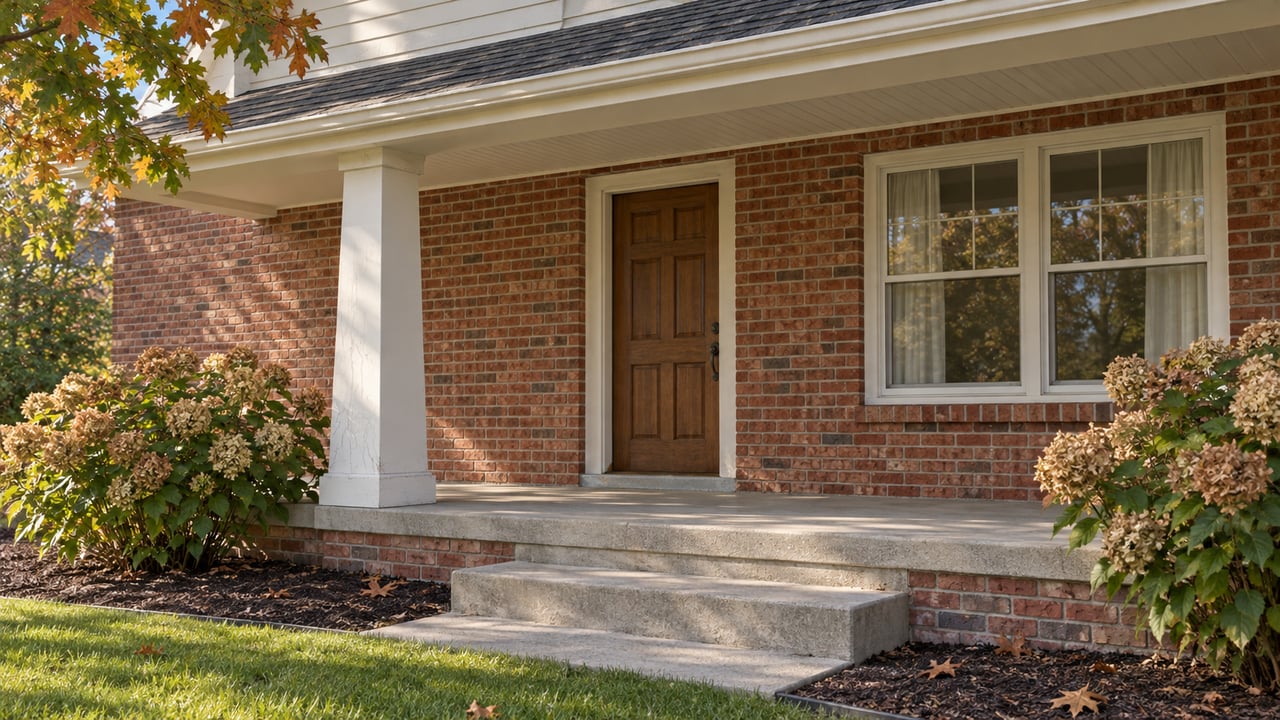
You found the house.
We talked through the offer.
Then I ask:
“How much would you like to put down in earnest money?”
And if you are a first time buyer, there is a decent chance your immediate response is:
“Wait. What is earnest money?”
Totally fair question.
Earnest money is one of those real estate terms everyone seems to use as though buyers were supposed to learn it somewhere along the way.
So let’s make it simple.
What Is Earnest Money?
Earnest money is money a buyer agrees to deposit as part of a real estate purchase contract.
Think of it as a good faith deposit showing the seller that you are serious about purchasing the property.
The amount, timing, and terms surrounding the earnest money should be addressed in the purchase contract.
If the transaction closes normally, earnest money is generally credited as part of the buyer’s funds in the transaction.
So if you deposit $2,000 in earnest money, that does not normally mean you pay $2,000 and then simply never see it again.
It becomes part of the financial picture at closing.
How Much Earnest Money Do You Need in Missouri?
There is not one universal earnest money amount required for every Missouri home purchase.
The amount is negotiable.
You may hear one percent of the purchase price discussed as a general starting point in some transactions, but that is not a Missouri law or a requirement that applies to every offer.
The appropriate amount can depend on the purchase price, property, market conditions, strength of the offer, financing, and overall negotiation strategy.
For example, $1,000 may make perfect sense in one transaction.
A buyer competing for a $500,000 property may choose something very different.
And there are transactions where the parties agree to another amount entirely.
The better question is not:
“What is the standard amount?”
It is:
“What makes sense for this offer?”
Is Earnest Money the Same as a Down Payment?
No.
This is a really common misconception.
Your down payment is the portion of the purchase price you are paying rather than financing.
Earnest money is a deposit made in connection with the purchase contract.
They are different things.
Your earnest money may ultimately be credited toward the funds involved in your closing, but putting down earnest money does not replace your loan program’s down payment requirements.
Is Earnest Money the Same as Closing Costs?
No.
Closing costs are expenses associated with completing the purchase and obtaining financing.
Depending on the transaction, those may include lender charges, title related expenses, prepaid insurance, taxes, appraisal costs, and other items.
Earnest money is separate.
However, because earnest money is generally credited within the transaction when you close, it can affect the amount of money you ultimately need to bring to closing.
Your lender and closing professional can give you the actual numbers for your specific purchase.
When Is Earnest Money Due in Missouri?
This is where I want buyers to pay attention.
Do not rely on something you read online that says earnest money is “always due within X days.”
Look at your contract.
Your purchase agreement should identify the earnest money terms, including the agreed timing for delivery.
Once we are under contract, that becomes one of the first deadlines I am tracking.
If your contract says the earnest money needs to be delivered within a certain period, we treat that as a real deadline.
Who Holds the Earnest Money?
The purchase contract should identify the escrow holder.
In many Mid Missouri transactions, a title company may hold the earnest money in an escrow account until the transaction is completed or the funds are otherwise disbursed according to the applicable agreement and requirements.
The important thing for the buyer is to follow the instructions for the specific transaction.
Do not send money to someone simply because you receive an email telling you where to send it.
Which brings me to something extremely important.
Be Careful With Wire Fraud
Real estate transactions involve large amounts of money, which makes them a target for fraud.
If you receive wiring instructions by email, especially unexpected instructions or a message claiming that previously provided instructions have changed, stop.
Verify them independently.
Call the title company or closing professional using a trusted phone number you already have.
Do not rely solely on the contact information contained in a suspicious email.
And never send your banking information through an unsecured email because someone asked for it.
A two minute verification call is worth it when your money is involved.
What Happens to Earnest Money at Closing?
If everything proceeds normally and you purchase the home, the earnest money is generally credited in the transaction.
Your final closing figures will show how the deposit is being applied.
That is why I tell first time buyers not to think of earnest money as:
“Another $2,000 fee.”
It is a deposit associated with the purchase.
Your lender and closing professional will calculate your final amount needed for closing after accounting for the terms of the transaction.
Do You Get Your Earnest Money Back if the Inspection Is Bad?
Maybe.
And this is where the contract becomes extremely important.
Whether a buyer is entitled to the return of earnest money after terminating a contract depends on the terms of the agreement and the circumstances surrounding the termination.
For example, your contract may contain inspection provisions that give you certain rights within a defined timeframe.
Financing provisions may create other rights and obligations.
An appraisal issue may be addressed differently.
An as is transaction may have different inspection and termination rights depending on how it was written.
The existence of earnest money does not mean you automatically lose it anytime a transaction falls apart.
It also does not mean you automatically receive it back in every situation.
We need to look at why the contract is terminating and what the contract says.
Can the Seller Keep Your Earnest Money?
Potentially, depending on the contract and circumstances.
Earnest money should not be treated casually.
If a buyer simply decides:
“Actually, I changed my mind. I do not want the house anymore.”
that is very different from properly exercising a contractual right to terminate.
Real estate contracts create actual obligations.
Before terminating a contract or missing a contractual deadline, understand the potential consequences.
That is one of the reasons I want buyers calling me before making a major decision during a transaction.
What if the Buyer and Seller Disagree About Who Gets the Earnest Money?
This is another reason people sometimes misunderstand earnest money.
The person or company holding the funds does not necessarily get to simply decide who “deserves” them whenever there is a dispute.
If a transaction terminates, the release and disbursement of earnest money can depend on the contract, applicable law, instructions from the parties, and the circumstances involved.
If the parties disagree, resolving the earnest money can become more complicated.
That is why it is important to understand your contractual rights before assuming:
“I can always just walk away and get my money back.”
Do not make that assumption.
Does More Earnest Money Make an Offer Stronger?
It can.
Earnest money is one piece of an offer.
A seller reviewing multiple offers may view a larger earnest money deposit as one indication that a buyer is serious about completing the purchase.
But more earnest money does not automatically make an offer better than every competing offer.
Sellers may also consider:
Price.
Financing.
Closing date.
Inspection terms.
Appraisal provisions.
Seller concessions.
Possession.
Contingencies.
And the overall likelihood that the transaction will actually close.
I would rather structure the entire offer thoughtfully than throw a huge earnest money number at the contract simply because we think it looks impressive.
How Much Earnest Money Should You Offer?
This is where strategy comes in.
When I am helping a buyer decide on earnest money, I want to look at the whole transaction.
Are we competing with other buyers?
How expensive is the property?
How strong are the other terms of our offer?
What type of financing are you using?
How much cash are you comfortable depositing?
Are there unusual circumstances surrounding the property?
What does the seller seem to value?
A first time buyer purchasing a $180,000 home in a smaller Mid Missouri community may approach earnest money differently from a buyer competing for a $600,000 property in Boone County or purchasing a lakefront home in Camden County.
There is no reason to pretend those transactions are identical.
Does Earnest Money Work Differently When Buying Acreage?
The basic concept is the same, but acreage transactions can involve additional due diligence.
If you are purchasing property in places such as Callaway, Cooper, Moniteau, Howard, Pettis, Saline, Randolph, Audrain, or other rural areas of Mid Missouri, your investigation may include surveys, easements, wells, septic systems, road access, zoning, outbuildings, or other land related considerations.
Those issues may affect how we structure the contract and the protections we want to discuss before you deposit earnest money.
The deposit itself is only one part of the deal.
Understanding the property is the bigger picture.
What Should First Time Buyers Remember About Earnest Money?
If you remember nothing else from this article, remember this:
Earnest money is negotiable.
It is not the same as your down payment.
It is not simply another closing fee.
Your contract determines when it is due.
Your contract matters if the transaction does not close.
And you should never assume you can walk away from a real estate contract without understanding the consequences.
Most importantly, ask questions before you sign.
You are not expected to magically know how earnest money works just because you decided to buy a house.
Buying a Home in Mid Missouri?
Whether you are purchasing your first home in Jefferson City, looking for acreage outside Fulton, moving to Sedalia, searching around Boonville, considering a property near Mexico or Moberly, or buying at Lake of the Ozarks, earnest money is only one part of putting together a strong offer.
The amount should make sense for the property, your financial situation, your offer strategy, and the contract you are signing.
That is how I approach the entire buying process.
Not:
“This is what everybody does.”
But:
“What makes sense for this specific transaction?”
Because no two houses are exactly alike.
And neither are two offers.
If you are getting ready to buy in Mid Missouri and have questions about earnest money, inspections, financing, or what happens after your offer is accepted, reach out.
I am always happy to explain the process before you are staring at a contract wondering what all these words mean.